Hybrid battery vs. 12V battery: how to tell which
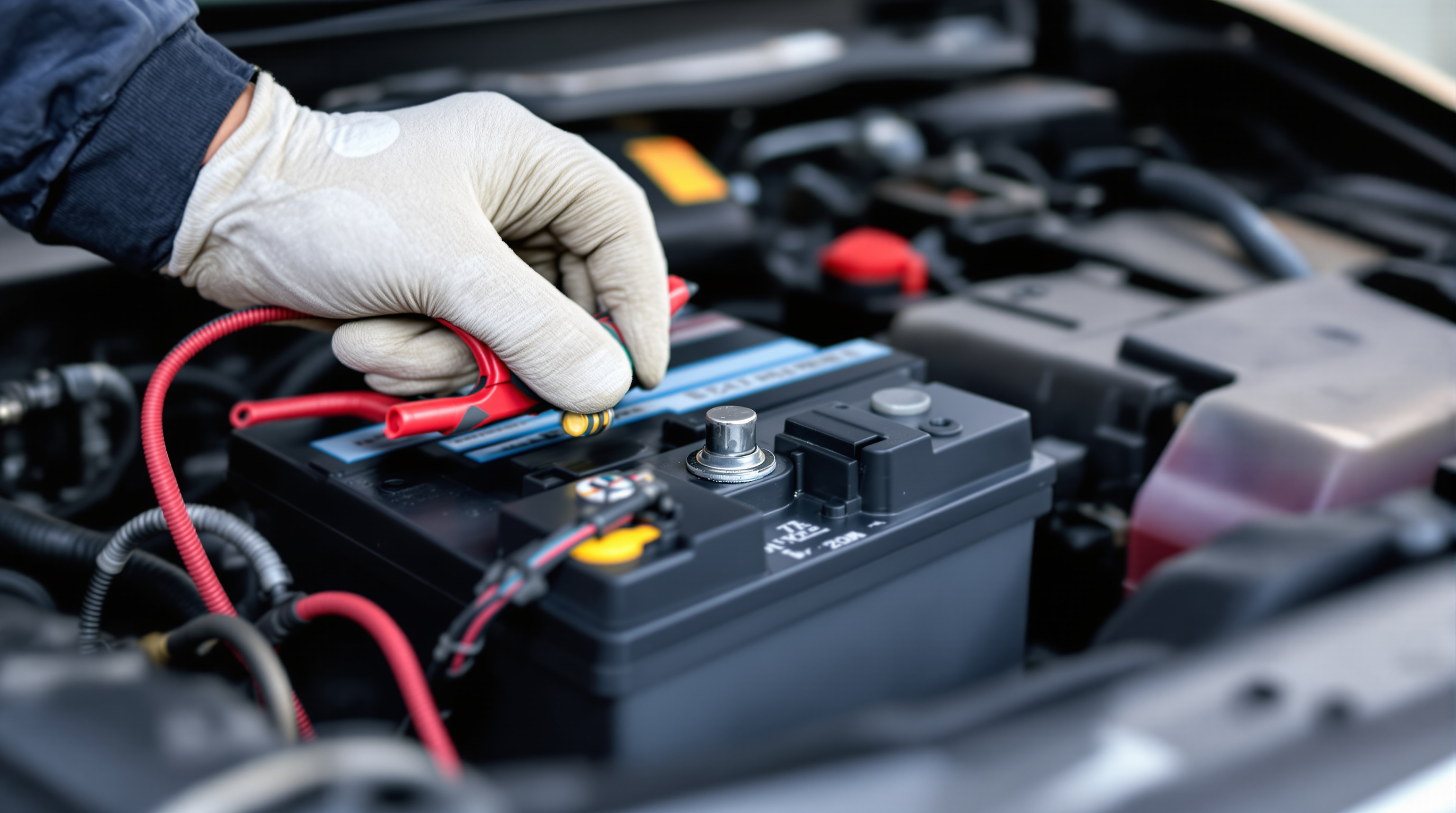
Your hybrid has two batteries with very different jobs and price tags. How to tell them apart before you spend anything.
Every Toyota and Lexus hybrid has two batteries. One costs about what a normal car battery costs. The other costs thousands. They fail differently — and the cheap one gets blamed on the expensive one often enough that it's worth ten minutes of your time to learn the difference.
The two batteries, and what each one does
The 12V auxiliary battery is a small lead-acid battery, much like the one in any conventional car. It wakes the vehicle up, powers the computers, lights, locks and infotainment, and closes the relays that connect the high-voltage system. Nothing happens without it.
The high-voltage hybrid pack is the large battery — typically somewhere between roughly 144 and 288 volts depending on the model — that drives the electric motors, captures energy when you brake, and assists the gasoline engine.
On most Prius generations the 12V battery lives in the rear cargo area rather than under the hood, which surprises a lot of owners. There's a jump-start terminal under the hood for convenience, which is why people assume the battery is there too.
The symptom split
Here's the rule of thumb that gets it right most of the time:
Weird electrical behaviour and lots of unrelated warning lights at once → usually 12V.
Changed driving behaviour — power, MPG, gauge swings → usually the hybrid pack.
Points to the 12V battery
- The car won't enter READY mode, or does so inconsistently.
- A whole cluster of warning lights appears at once, including ones with nothing to do with the hybrid system.
- Dash and interior lights are dim, or the display behaves oddly on start-up.
- It's worst after the car has been sitting for a few days.
- A jump start gets it going and then everything looks normal again.
- Power windows or locks are sluggish alongside the warning lights.
Points to the hybrid pack
- The car starts and behaves normally electrically, but the battery gauge swings quickly.
- Fuel economy has declined over weeks or months.
- The gasoline engine runs far more than it used to, including at stops.
- Acceleration feels flat, especially merging or climbing in the heat.
- The cooling fan near the pack runs hard and often.
- The red triangle appears with a hybrid system message, sometimes with reduced power.
Why a dying 12V causes so much confusion
When 12V voltage drops below what the vehicle's modules expect, those modules start reporting faults. Not one fault — many, across systems that have nothing to do with each other. A scan tool reads a page of codes, several of which are hybrid-related, and the picture looks catastrophic.
Replace the 12V battery, clear the codes, and most of it disappears.
This is why we load-test the 12V on every single diagnostic, without exception. It's the cheapest thing on the list to rule out and it's the answer more often than you'd think — particularly in Arizona.
The Arizona angle
Sustained heat is hard on small lead-acid batteries. A 12V battery that might give you five years in a mild climate can give you noticeably less here, and cars that sit through a Phoenix summer — seasonal residents' vehicles, second cars, students' cars over the break — are the worst case of all.
If your car has been parked for months and now has a dashboard full of warnings, the 12V is the first thing to check, not the last.
What to do right now
- Get the 12V load-tested. Most shops will do this quickly. Rested voltage alone isn't enough — it needs a load test.
- Note the pattern. Does the problem happen after sitting? Does a jump fix it? Those observations are diagnostic gold.
- Check the terminals for corrosion or looseness, with the car off.
- Mention any aftermarket electronics — dash cams, alarms, stereo work — because they cause parasitic drains.
What not to do
- Don't authorise a hybrid battery without asking whether the 12V was load-tested and what it measured. If the shop can't tell you, they haven't finished diagnosing your car.
- Don't keep jump-starting it. Repeated deep discharges finish off a marginal battery and can create new problems.
- Don't fit a random battery. Hybrids often need a specific type and venting arrangement, particularly where the battery sits inside the cabin or cargo area.
- Don't ever attempt to jump or charge the high-voltage pack. Use only the designated jump point in your owner's manual.
When to get it looked at
If your car is showing electrical symptoms and the 12V battery is more than a few years old, start there — it's quick and inexpensive. If the car drives differently but the electrics are fine, that's a hybrid pack conversation and worth a proper diagnostic.
If you've already been quoted a hybrid battery somewhere and something about it didn't sit right, call 623-323-0737. Asking what the 12V measured is a fair question, and we're happy to be the second opinion.