Toyota · 2001–2022 (US)
Toyota Prius hybrid battery service
The Prius is the highest-volume hybrid in the Valley and the one we work on most. Which generation you have changes where the pack lives, how it's cooled, and what tends to show up first — so the first question is always the model year.
Toyota Prius hybrid battery at a glance
- Battery type
- Nickel-metal hydride on most generations; some 2016+ trims use lithium-ion
- Typical pack voltage
- Around 201.6V nominal on second- and third-generation cars
- Pack location
- Behind the rear seat (2004–2015); under the rear seat (2016+)
- Cooling
- Cabin air drawn through an intake vent near the rear seat by an electric fan
- 12V battery location
- Rear cargo area on most generations, not under the hood
- Before ordering parts
- Battery chemistry and part numbers changed within some model years. We confirm against your VIN before quoting or ordering parts.
What the hybrid battery does in a Prius
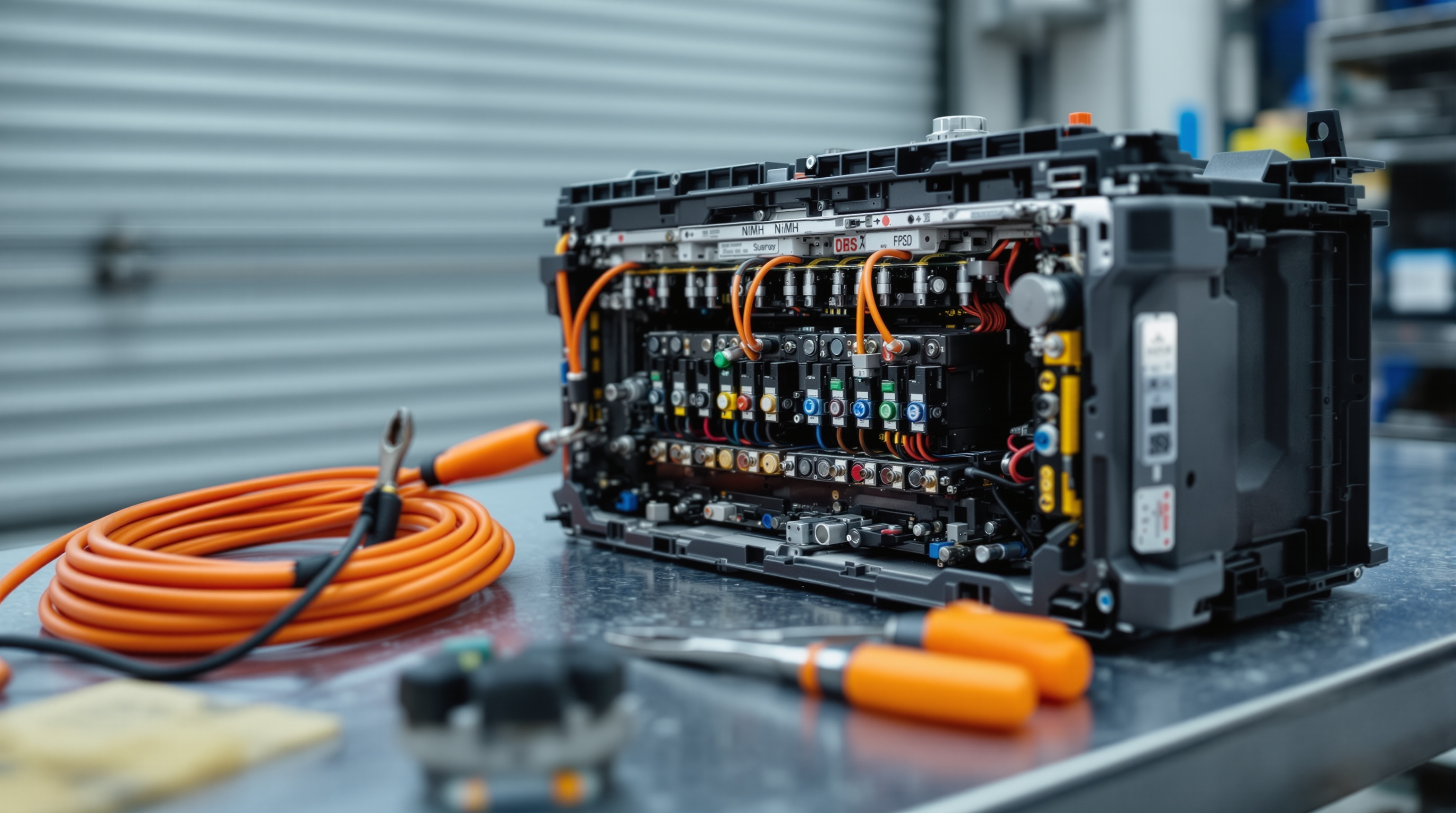
The high-voltage pack is the buffer between the gasoline engine and the electric motors. It stores energy recovered when you brake or coast, supplies it back when you accelerate, and lets the engine shut off entirely at low speed and at stops. When the pack weakens, the car doesn't stop working — it just leans on the engine more, which is why the first symptom most owners notice is fuel economy rather than a warning light.
Generation differences that change the diagnosis
| Generation | Years | What's different |
|---|---|---|
| XW20 (second gen) | 2004–2009 | Pack behind the rear seat. These are the oldest Prius packs still on Phoenix roads and many are on their second battery already. Interior wear and cooling neglect are common on cars this age. |
| XW30 (third gen) | 2010–2015 | Still very common here. Pack behind the rear seat with cabin-air cooling. The generation where a blocked intake vent shows up most often in our experience. |
| XW50 (fourth gen) | 2016–2022 | Pack moved under the rear seat, which changes access and cooling routing. Chemistry varies by trim and year — some NiMH, some lithium-ion. |
| Prius Prime | 2017–2022 | Plug-in hybrid with a much larger lithium-ion traction pack. Different diagnosis, different parts, different cost structure. Call before assuming a standard Prius quote applies. |
Symptoms Prius owners report most
- The energy screen battery gauge swinging from full to two bars in a few minutes of normal city driving.
- The engine running at stoplights instead of shutting off.
- Fuel economy sliding from the high 40s into the 30s over a few months with no change in driving.
- A cooling fan behind the rear seat running loudly and often.
- Red triangle master warning, sometimes only after the car has been sitting in the sun.
- Reduced power merging onto the freeway in summer.
Symptoms are a reason to test, not a diagnosis
Several of these overlap with a weak 12V battery, a restricted cooling path, or an engine-side fault. Codes and symptoms narrow down where to look; they do not identify a failed part on their own.
Diagnostic considerations specific to the Prius
- Block-level voltage data matters more than a single pack reading. A Prius pack usually fails unevenly, and where the weakness sits determines whether reconditioning is realistic.
- The cooling intake gets inspected as a matter of course. In this climate a restricted intake is a contributing cause, not a footnote.
- The 12V battery gets tested every time. On a Prius it lives in the rear cargo area and it produces a remarkable amount of hybrid-looking chaos when it's weak.
- History matters: a car that has had a pack replaced before, or one that was recently jump-started, tells a different story from a stock car with original everything.
- Stored freeze-frame data is checked before anything is cleared, because it shows what the car was doing when the fault set.
Repair or replace — what tips the decision on a Prius
- How concentrated the weakness is. A few weak blocks in an otherwise healthy pack is the classic reconditioning case.
- Mileage and how much longer you plan to keep the car.
- Whether the cooling path has been neglected — if the whole pack cooked, spot repairs tend not to hold.
- The rest of the car's condition. Arizona Priuses usually have excellent bodies; the question is what else is due.
- Your tolerance for a shorter warranty in exchange for a lower up-front cost.
Toyota Prius hybrid battery questions
How do I tell which Prius generation I have?
Is it worth putting a hybrid battery in an older Prius?
Why does my Prius engine run so much more than it used to?
Get a quote for your Toyota Prius
Include the model year and what the car is doing. We confirm battery chemistry against your VIN before quoting parts.
Recently published
Latest from the blog
 Warning lights5 min read
P0A7F: Why Your Hybrid Battery Pack Is Being Called 'Deteriorated'
P0A7F means the hybrid battery's control system has judged the pack degraded. Here's what it measures, how it differs from P0A80, and your repair options.
 Decisions5 min read
Reconditioning vs. replacing a hybrid battery: which one does your car actually need?
Reconditioning fixes a few weak blocks in an otherwise sound pack. Replacement is for widespread wear. Here's how to tell which one your hybrid needs.
- Decisions5 min read
What does a hybrid battery cost in Arizona? Real price ranges for repair and replacement
Typical Arizona hybrid battery pricing: $500–$900 to recondition, $1,000–$2,000 to replace, $100–$400 for a 12V. Here's what drives the number.
Not sure what your hybrid needs? Start with the free diagnostic.
We come to you, test the pack, the 12V and the cooling, and you get a written quote before anything is decided. No charge, no obligation.