Toyota · 2012–2017 (US)
Toyota Prius v hybrid battery service
The Prius v takes the third-generation Prius drivetrain and asks it to move a bigger, heavier body. That extra load means a weakening pack tends to show itself sooner here than in a standard Prius of the same age.
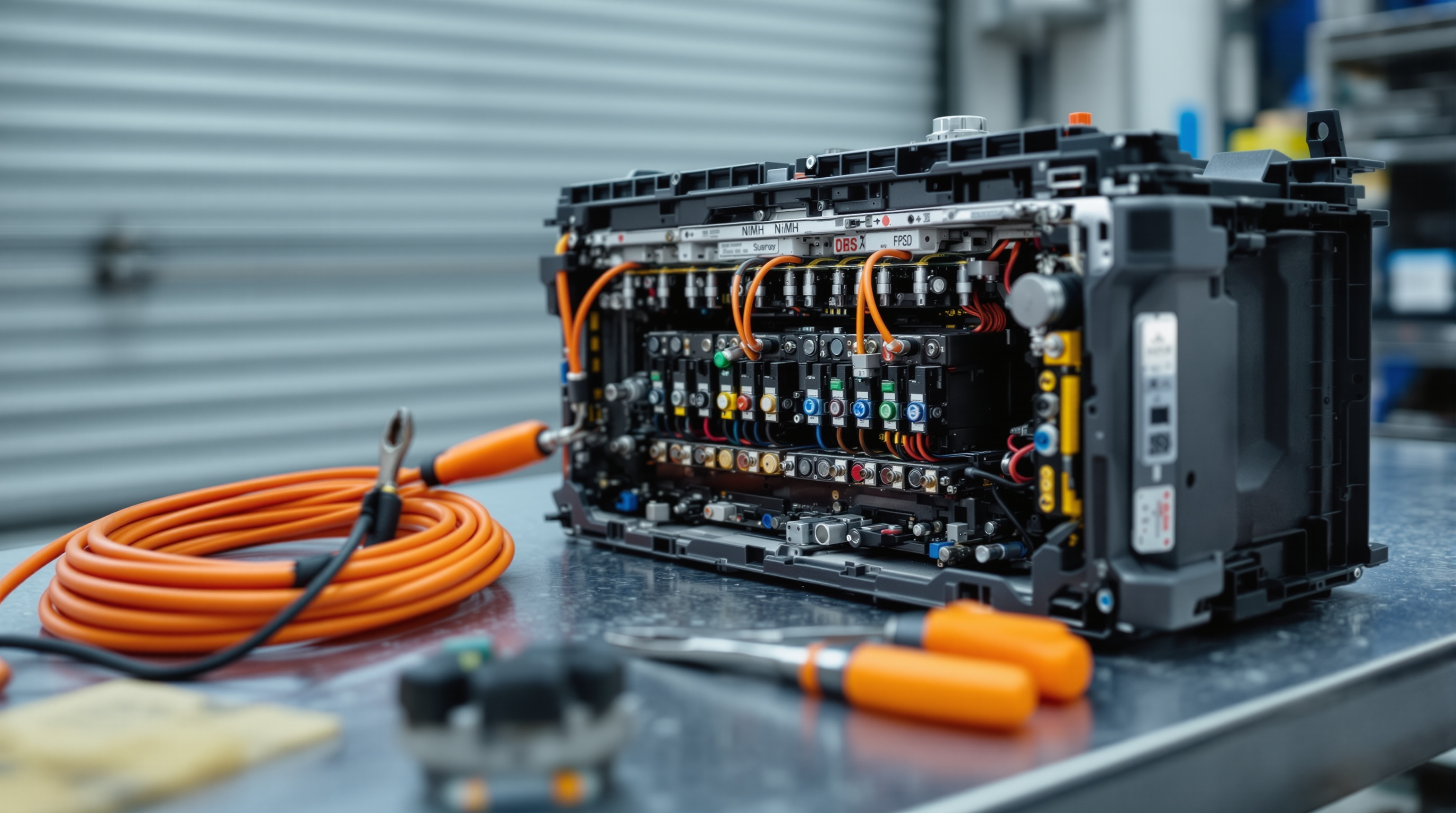
Toyota Prius v hybrid battery at a glance
- Battery type
- Nickel-metal hydride
- Typical pack voltage
- Around 201.6V nominal, in line with the third-generation Prius
- Pack location
- Behind/under the rear seat area — access differs from the standard Prius
- Cooling
- Cabin air drawn by an electric fan; intake is easy to block with cargo
- Before ordering parts
- Battery chemistry and part numbers changed within some model years. We confirm against your VIN before quoting or ordering parts.
Why the Prius v works its pack harder
Same drivetrain generation, more mass. Every acceleration asks more of the electric motor and every stop returns more energy to recover. Owners who use the v the way it was designed — hauling people and gear — put more cycles through the pack than a commuter in a standard Prius.
- Loss of assist is more obvious because the car is heavier.
- Freeway merging in summer heat is where owners most often notice the change first.
- Families and small businesses that bought these for cargo space often load right up against the cooling intake without knowing it exists.
The cargo area problem
This is the model where we most often find the hybrid battery cooling intake blocked. It's a wagon — people fill it. Boxes, dog crates, camping gear and folded strollers sit against the vent for months, and the pack quietly runs hotter than it should the entire time.
Free thing you can do today
Find the cooling intake vent near the rear seat, make sure nothing is pressed against it, and keep it clear when you load up. It costs nothing and it directly affects how hard your pack has to work in July.
Diagnostic considerations for the Prius v
- Road test under load matters here — testing at idle in a bay under-represents what a heavier car asks of the pack.
- Cooling airflow inspection is standard, given how often cargo blocks the intake.
- Block-level data determines whether reconditioning is realistic, same as any Prius.
- We ask about how the car is used, because a v that tows or hauls regularly has a different history than one used as a commuter.
Toyota Prius v hybrid battery questions
Is a Prius v battery the same as a Prius battery?
Does hauling cargo damage the hybrid battery?
My Prius v is fine around town but weak on the freeway. Why?
Get a quote for your Toyota Prius v
Include the model year and what the car is doing. We confirm battery chemistry against your VIN before quoting parts.
Recently published
Latest from the blog
 Warning lights5 min read
P0A7F: Why Your Hybrid Battery Pack Is Being Called 'Deteriorated'
P0A7F means the hybrid battery's control system has judged the pack degraded. Here's what it measures, how it differs from P0A80, and your repair options.
 Decisions5 min read
Reconditioning vs. replacing a hybrid battery: which one does your car actually need?
Reconditioning fixes a few weak blocks in an otherwise sound pack. Replacement is for widespread wear. Here's how to tell which one your hybrid needs.
- Decisions5 min read
What does a hybrid battery cost in Arizona? Real price ranges for repair and replacement
Typical Arizona hybrid battery pricing: $500–$900 to recondition, $1,000–$2,000 to replace, $100–$400 for a 12V. Here's what drives the number.
Not sure what your hybrid needs? Start with the free diagnostic.
We come to you, test the pack, the 12V and the cooling, and you get a written quote before anything is decided. No charge, no obligation.