The Prius battery cooling fan: why it matters
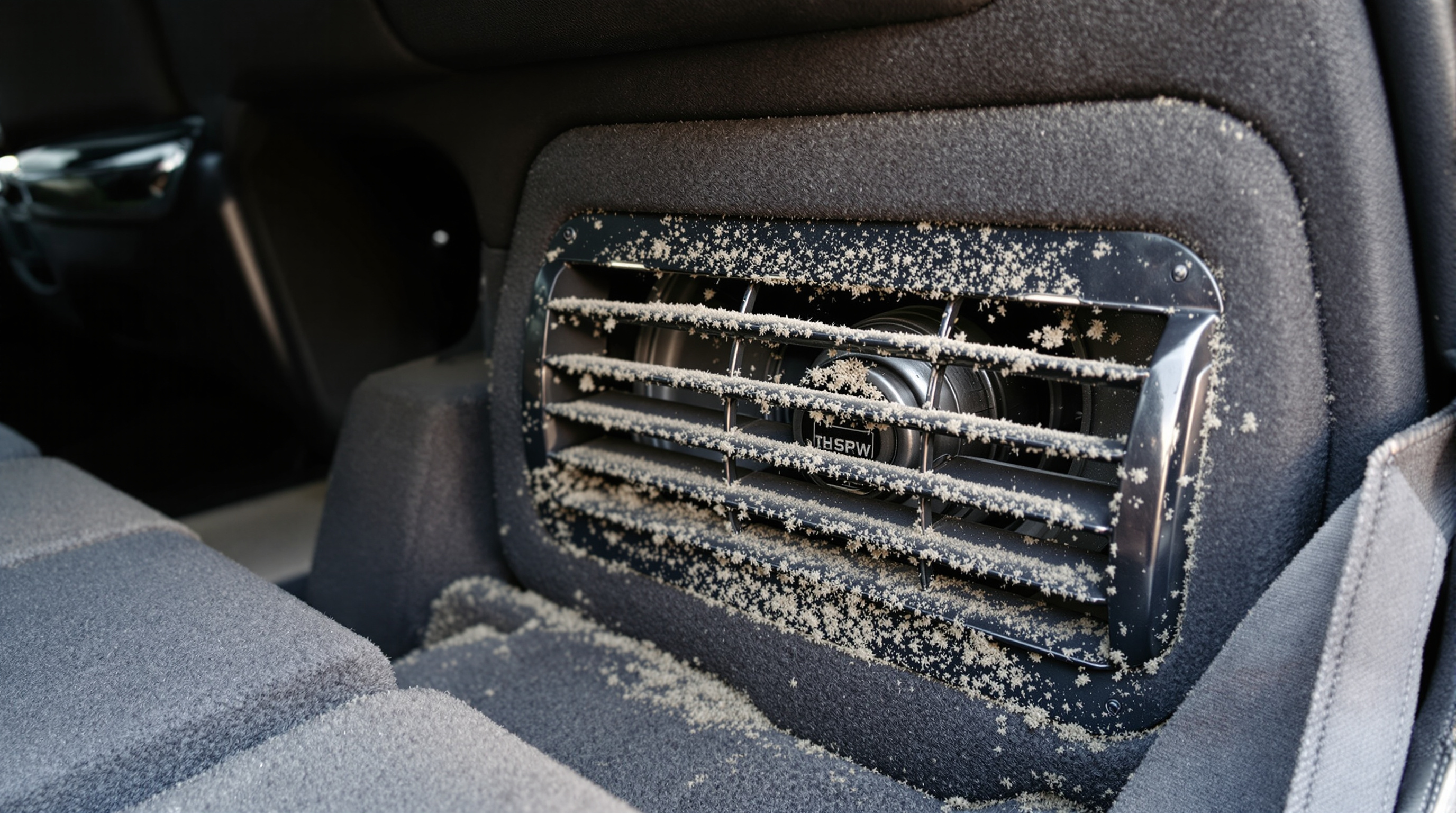
Toyota cools the hybrid pack with cabin air. That means dust, pet hair and cargo directly affect how hot your battery runs — and heat is what ages it.
Most Prius owners have never thought about the hybrid battery cooling fan, and there's no reason they would have — until they learn that it's one of the few parts of hybrid battery life they can actually influence.
How it works, in one paragraph
The high-voltage battery generates heat when it charges and discharges. Toyota cools it by pulling air from the cabin through a vent near the rear seat, running it across the pack, and exhausting it. There's an electric fan doing the pulling, and the system varies fan speed based on how hot the pack is.
That's the whole design. It's simple and it works — as long as air can get through.
Why this matters more here than in San Diego
Nickel-metal hydride packs age faster at higher temperatures. Phoenix supplies about five months a year of the kind of ambient heat that makes cooling genuinely load-bearing rather than incidental.
So the cooling system in a Valley car is doing real work for a large part of the year, and anything that restricts it directly raises how hot the pack runs. Not by a dramatic amount on any given day — but consistently, for years.
The three things that block it
Cargo against the vent
The most common one, and the easiest to fix. In a Prius v, RAV4 Hybrid or Highlander Hybrid, the intake sits in the rear seat area — exactly where families put car seats, sports bags, dog crates and groceries. Something has been leaning against it for months and nobody knew it was there.
Fix: find the vent once, and never load against it again. Your owner's manual shows the location for your model year.
Dust
The cooling air is cabin air, so cabin dust is battery cooling dust. If you're regularly on dirt roads around Cave Creek or Carefree, or you live in a fast-growing area with constant construction traffic, you'll accumulate it faster than someone doing a paved commute in Tempe.
Fix: keep the cabin air filter fresh, vacuum the rear seat and cargo area regularly, and have the intake and filter inspected annually before summer.
Pet hair
Dogs in the back means hair in the air, and hair mats into the intake filter faster than dust does. Combined with dust it's the fastest-clogging combination we see.
Fix: same as above, but more often.
Signs the cooling path is restricted
- The fan runs loudly and constantly on drives where it used to be quiet.
- The fan runs even on mild days at moderate speeds.
- Fuel economy has slipped without any other obvious cause.
- Hybrid warnings that appear on hot afternoons and clear on cool mornings.
None of those is proof on its own. Together, on a car in Phoenix that's never had the intake looked at, they're a good reason to check.
What to do right now — free, five minutes
- Find your intake vent. Rear seat area on most models; check the manual.
- Move anything pressed against it. Bag, car seat, box, dog bed.
- Vacuum the rear seat and cargo area, particularly if you carry pets.
- Listen on your next drive. Now that you know the fan exists, you'll notice whether it's working harder than it should be.
What not to do
- Don't spray anything into the vent. Compressed air blown the wrong direction pushes debris into the pack rather than out of it.
- Don't disassemble the battery area yourself. The pack is a high-voltage component and the area around it is not a DIY zone.
- Don't assume cleaning the fan fixes a failing battery. It protects a healthy pack; it does not restore a degraded one. If your pack is already weak, cleaning the cooling path is something to do alongside the repair, not instead of it.
- Don't skip it when you replace a pack. Putting a good battery into a blocked cooling system is the most avoidable way to end up doing this job twice.
When it's worth having it inspected
Before summer, ideally — May rather than August. It's a small job relative to what it protects, and it's the closest thing to preventive maintenance that exists for a hybrid battery.
It's especially worth it if you carry pets, drive on dirt regularly, load the cargo area heavily, or you're about to have a pack replaced or reconditioned.
Want the cooling path checked? Call 623-323-0737 or schedule a free diagnostic. And if you'd like the longer version of why heat matters so much here, read how Arizona heat affects hybrid batteries.